October 16, 2026
Planning a home improvement project can be exciting, but preparing for a contractor consultation helps you communicate your goals and understand the work involved. Whether you're considering a kitchen renovation, a finished basement, a home addition, or an exterior improvement, taking time to organize your ideas can make the conversation more productive. Preparing in advance also gives you a clearer starting point for discussing your expectations.
Qualified Contractor Selection
Identify the Right Contractor
Start by identifying the type of work your home needs. Residential contractors may specialize in different areas, so look for experience that aligns with your project. Home remodeling, basement finishing, custom home construction, home additions, roofing, siding, and deck construction each involve different considerations.
Make a list of the improvements you want to complete and any features that require particular attention. Some projects involve several interconnected tasks, while others focus on a single area. Understanding your priorities will help you explain the scope of the work and determine whether a contractor's services fit your plans.
Review Customer Feedback
Customer reviews can offer insight into other homeowners' experiences with a contractor. Look for comments about communication, the completed work, and how the project was handled. Consider several reviews rather than relying on a single opinion.
Reviewing examples of completed projects can also help you assess whether a contractor's work aligns with your preferences. Look for projects similar to yours, whether you're updating an interior space, expanding your home, or improving an outdoor area. For home remodeling, these examples can help you identify design details and features to discuss during your consultation.
Examine Similar Projects
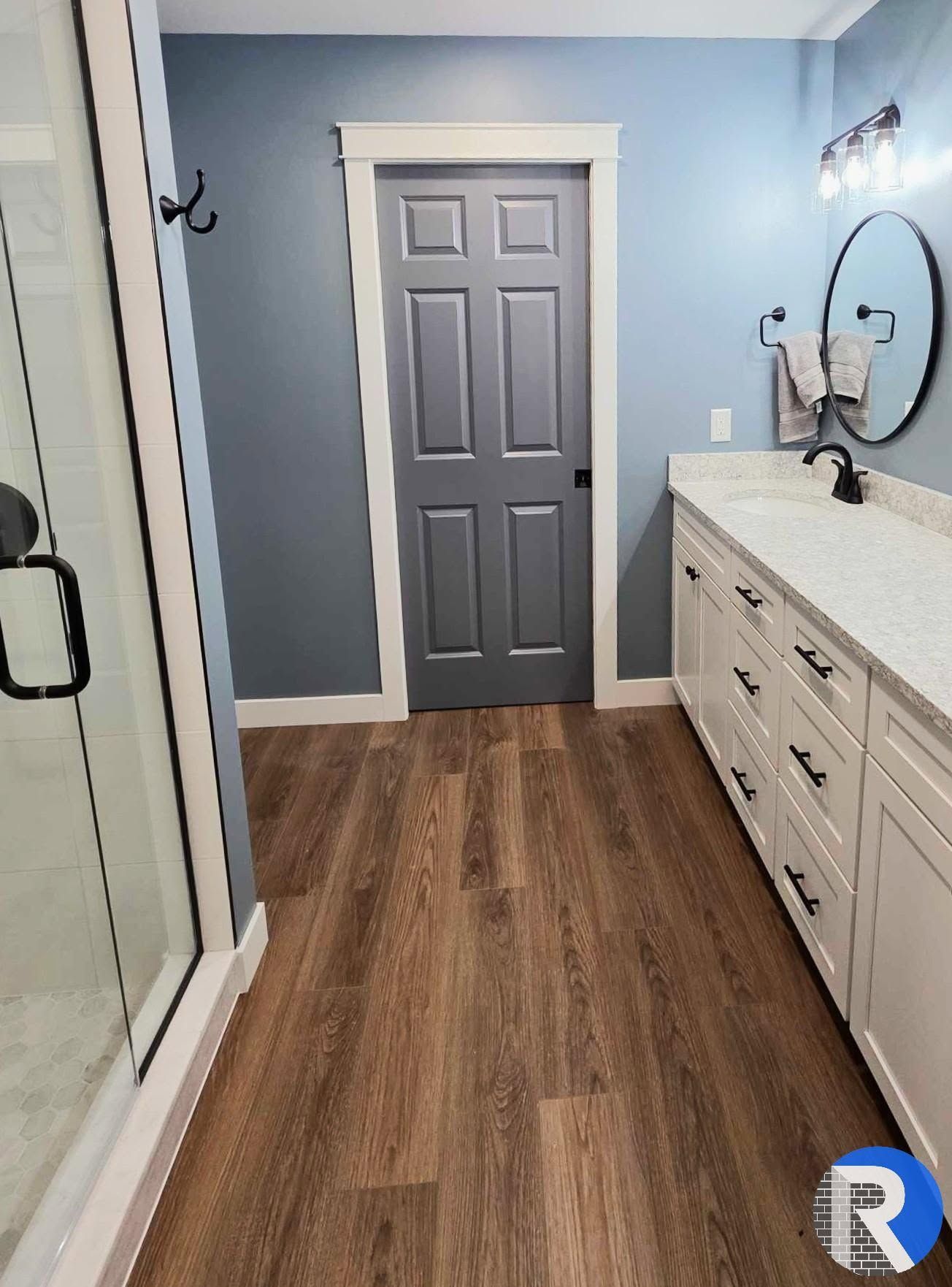
Examples of previous work can help you understand a contractor's experience with different residential projects. If you're planning a bathroom renovation, look at completed bathrooms. According to WifiTalents, 80% of bathroom remodeling projects involve primary bathrooms.
Pay attention to materials, finishes, layouts, and details that reflect your preferences. Save photographs or examples that illustrate what you like, and make a note of any features you want to discuss. These references can help you communicate your vision during the consultation.
Clear Project Goals
Establish a Clear Vision
Before your consultation, think about what you want your finished space to accomplish. You might want a more functional kitchen, a comfortable finished basement, additional living space, or an outdoor area for relaxing and entertaining. Defining your goals for home remodeling helps you focus on improvements that support your daily routines.
Create a mood board, collect inspiration photos, or sketch possible layouts if these methods help you organize your ideas. Consider your personal style alongside practical needs, including storage, available space, and how you intend to use the finished area. Your plans can evolve during the consultation, but having an initial vision gives the conversation a useful starting point.
Outline Specific Requirements
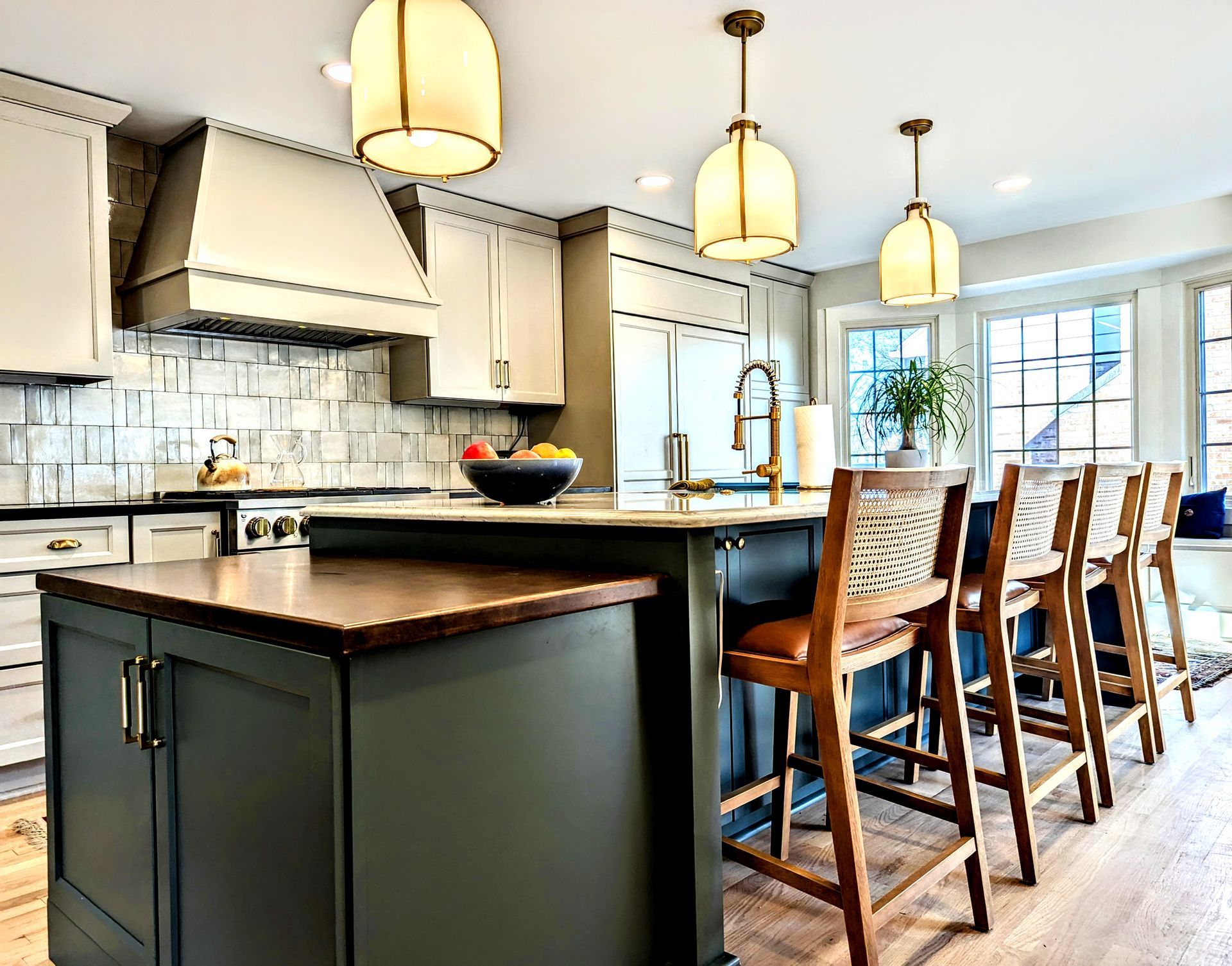
Write down the features you want to include, along with any materials, finishes, dimensions, or colors you already have in mind. For a kitchen remodel, you might prioritize cabinetry, countertops, storage, or the arrangement of appliances. For a bathroom renovation, you might focus on the vanity, shower, bathtub, tile, or accessibility.
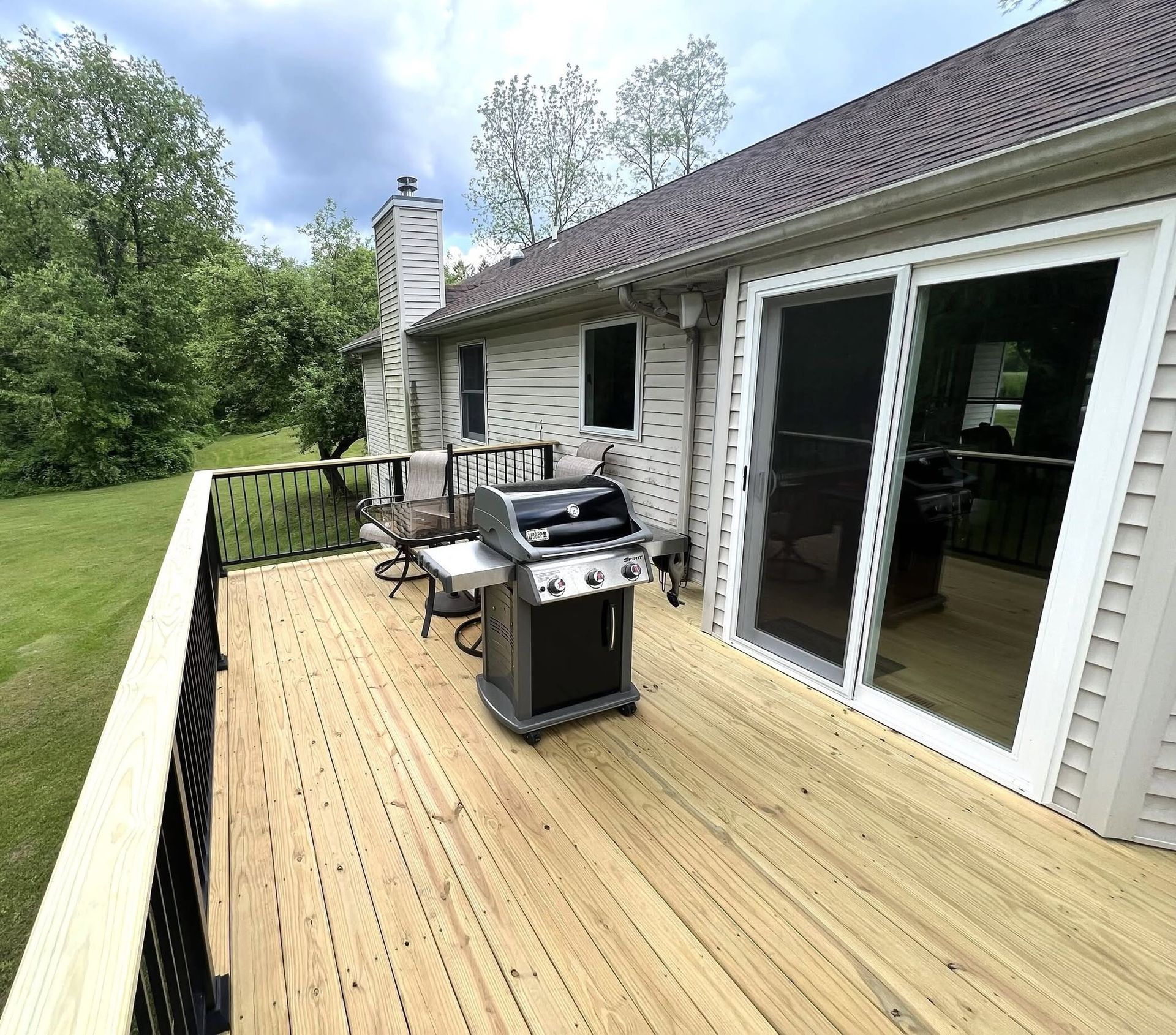
If you're planning a deck, home addition, or exterior renovation, consider the layout, intended use, and appearance you want to achieve. Distinguish essential features from optional preferences so you can discuss alternatives if adjustments become necessary. Specific requirements give you a clearer basis for evaluating design possibilities and project priorities.
Discuss Your Timeline
Identify your preferred start date and any scheduling considerations before the consultation. If your project involves a kitchen or bathroom remodel, think about how the work could affect your household's daily routines. For an exterior project, consider seasonal conditions and any activities that could influence your preferred schedule.
Ask what the project involves, which stages may affect your use of the space, and what factors could influence the timeline. Project duration depends on the scope and complexity of the work, so discuss your priorities early and allow room to adjust plans when necessary. Understanding the potential stages can help you prepare for changes to your usual routine.
Essential Project Details
Gather Relevant Property Details
Collect property information that may help explain the work you want to undertake. Existing layout plans, measurements, photographs, and details about previous renovations can provide useful context for discussing changes to your home. Gather only the information you already have available before the consultation.
Make a note of the areas you want to update, expand, or repurpose. If you're considering a basement renovation, identify how you hope to use the space. If you're planning an addition, consider where the new area might connect with the existing home. Organizing these details helps you communicate your goals and identify questions that need to be addressed during planning.
Draft a Scope of Work
Prepare a written outline of the improvements you want to make. List the primary tasks, the areas involved, and any features you want included. For a whole-home renovation, organize your ideas by room or project phase.
For a deck or exterior improvement, identify the structures or surfaces you want to install, update, or repair. Separate essential work from optional additions, and note any decisions you have not yet made. This outline can guide the consultation and help you discuss the project's scope, priorities, and practical considerations.
Create a Visual Representation
Use sketches, photographs, mood boards, or other visual references to communicate your preferred design. Images can illustrate colors, materials, finishes, and layouts more clearly than descriptions alone. They can also help you identify common elements across different examples and determine which details matter most.
Visual references are especially useful when planning custom home construction, interior remodeling, home additions, or outdoor living spaces. Treat your examples as inspiration rather than fixed specifications. Discuss how your preferences could translate to your property and which alternatives might better suit the available space or intended use.
Organize Your Budget Notes
Prepare a simple overview of your planned budget and the improvements you consider most important. List the features you want to prioritize, the areas where you're open to alternatives, and any expenses you already anticipate. Keeping these notes together can make it easier to explain your priorities during the consultation.
For a remodeling project, this might include preferred cabinetry, countertops, fixtures, or flooring. For a new home or addition, you might focus on the layout, size, and features you want to incorporate. Having these priorities written down can help you explain your expectations and discuss practical options during the consultation.
Clarify Project Requirements
Identify questions you have about the requirements for your planned construction or remodeling project. The steps involved may vary depending on the type and scope of the work, whether you're adding living space, building a garage, remodeling a room, or constructing a deck. Prepare questions about any requirements that are unclear to you.
Ask which requirements need to be addressed before construction begins and clarify who will be responsible for each step. For deck projects, discuss permit requirements and applicable structural approvals as part of the planning process. Addressing these questions early can help you understand the work involved before moving forward.
A productive contractor consultation begins with clear goals, a realistic budget, and an understanding of your priorities. Gathering property details, collecting design inspiration, and preparing questions can help you communicate your vision and explore suitable options. Whether you're considering home remodeling, new construction, an addition, or exterior improvements, Reliable Building Services Inc. can help you plan your project in the Hudsonville, MI, area. Learn more about our services to get started.